How to Choose a Restaurant POS System?
Contents
After reviewing how a restaurant POS works, the next step is comparing vendors across the US and Hong Kong. Rather than chasing long feature checklists, focus on four fundamentals that determine smooth daily service.
1. Intuitive Interface That Reduces Training Time
Adding dozens of rarely used buttons slows down floor staff. A well-structured POS layout makes order modification, table transfers, and payments second nature so new hires get up to speed on day one with minimal errors.
2. Actionable Sales Data & Analytics
Your POS should turn daily, monthly, and annual transaction logs into clear dish rankings and peak-hour reports. Understanding your top-selling items helps managers promote high-margin specialties via DoLA Back-Office analytics and targeted member offers.
3. Smooth Split-Bill Support for Group Dining
Group tables frequently request separate checks at the end of a meal. Manual calculator math causes long delays and billing mistakes. Look for a POS supporting fast split-bill checkout either on a staff terminal or directly on guests' mobile screens, paired with integrated payments.
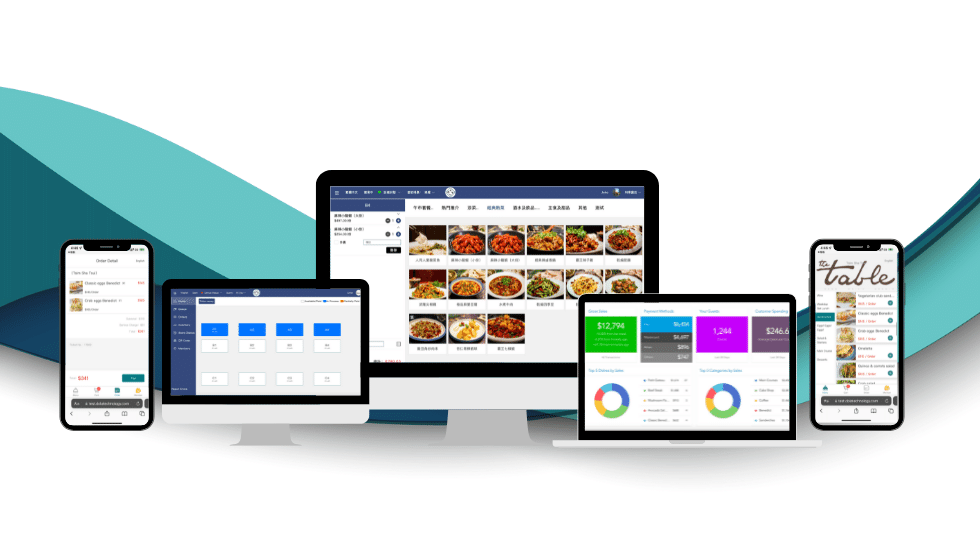
4. True Cloud POS Sync Across Front, Kitchen & Guests
A cloud POS synchronizes menu availability and live order history across cashiers, kitchen screens, and guests scanning the same table QR code—preventing duplicate orders and sold-out surprises. Compare full configurations in our 2026 US POS Buyer's Guide, 2026 HK POS Buyer's Guide, or DoLA Pricing.